

Fire can cause devastating damage to your home, and knowing how to navigate insurance claims is vital for protecting your investment. I want to guide you through important steps, from promptly reporting the fire to documenting damage and negotiating with your insurer. By understanding your coverage, managing expenses effectively, and communicating clearly, you can increase your chances of securing a fair settlement. These tips will help you stay organized and empowered during a stressful time, ensuring you get the support you need to rebuild and recover.
Navigating the Legal Maze: Essential Insurance Policy Insights
Claims often hinge on policy details you might overlook under stress. Policies typically require reporting fires within days—delays can result in denials or reduced payouts. Deductibles play a significant role; if repairs cost less than your deductible, paying out of pocket avoids a claim that could lead to higher premiums later. Document everything meticulously and take immediate steps to prevent further damage, such as boarding up broken windows. Understanding these legal and procedural nuances sharpens your ability to manage your claim effectively and avoid common pitfalls.
Key Terms Every Homeowner Should Know
Understanding terms like “deductible,” “replacement cost,” and “actual cash value” shapes your claim strategy profoundly. Deductible refers to the amount you pay before insurance coverage kicks in. At the same time, replacement cost covers rebuilding without considering depreciation, unlike actual cash value, which takes into account wear and tear. Knowing what “additional living expenses” covers helps when you’re displaced. Understanding clauses related to exclusions, endorsements, and policy limits enables you to anticipate potential coverage gaps or benefits tailored to your specific situation.
Your Rights: Understanding Coverage Limits
Coverage limits set the maximum your insurer pays for fire-related damages to your home, possessions, and temporary living costs. Most policies cover the structure and its contents, but limits vary widely, so verify yours early. If your losses exceed these limits, out-of-pocket expenses rise. Additional living expenses typically reimburse costs above your typical monthly spending, such as hotel stays or meals while displaced. Knowing these limits helps you plan repairs and negotiate fairly with adjusters.
Digging deeper, coverage limits can shift depending on policy type and endorsements. For example, a standard policy might cap personal property reimbursement at 50-70% of dwelling coverage, requiring a separate rider to boost that amount. Some insurers impose sub-limits on valuables like jewelry and artwork. Also, if you opt for replacement-cost coverage but decide not to rebuild, insurers often revert to actual cash value payouts, potentially leaving you with less than expected. Reviewing your declarations page and discussing limits with your agent ensures you’re not caught off guard when filing your claim.

Building the Case: Documentation and Evidence Essentials
Capturing comprehensive evidence of fire damage strengthens your claim and avoids costly disputes. Detailed photos and videos—both before and after repairs—show the extent of structural damage, smoke infiltration, and loss of personal property. Maintain clear records of all communications, repair estimates, and receipts to document your ongoing expenses. Acting quickly to document mitigates gaps that insurers might exploit, helping to secure a fair settlement aligned with your policy coverage.
What to Capture: Critical Evidence for Claims
Photograph every damage point, including hidden areas affected by smoke or soot that often get overlooked. Inventory your belongings with dates and approximate values; a spreadsheet or app can streamline this process. Save receipts for temporary housing, meals, and emergency repairs to support additional living expense claims. If possible, gather professional repair estimates early to compare with your insurer’s adjuster’s findings and strengthen your negotiating position.
Organizing Your Records: A Streamlined Approach
Group your documentation by category: photos, receipts, communication logs, and repair estimates. Create a digital folder or binder with clear labels and dates for easy access during claims review. Consistency in organization enables you to respond quickly to insurer inquiries and stay prepared for negotiations or escalation if needed.
Consider using cloud storage solutions like Google Drive or a dedicated claims app to back up files and share documents directly with your insurer or adjuster. Tracking everything chronologically—starting with initial damage reports and proceeding through to final invoices—helps maintain a clear timeline. This methodical approach can highlight delays or discrepancies if disputes arise, providing you with solid footing should you need to bring in a public adjuster or escalate the claim.
The Critical Timeline: Steps to Take Immediately After Fire Damage
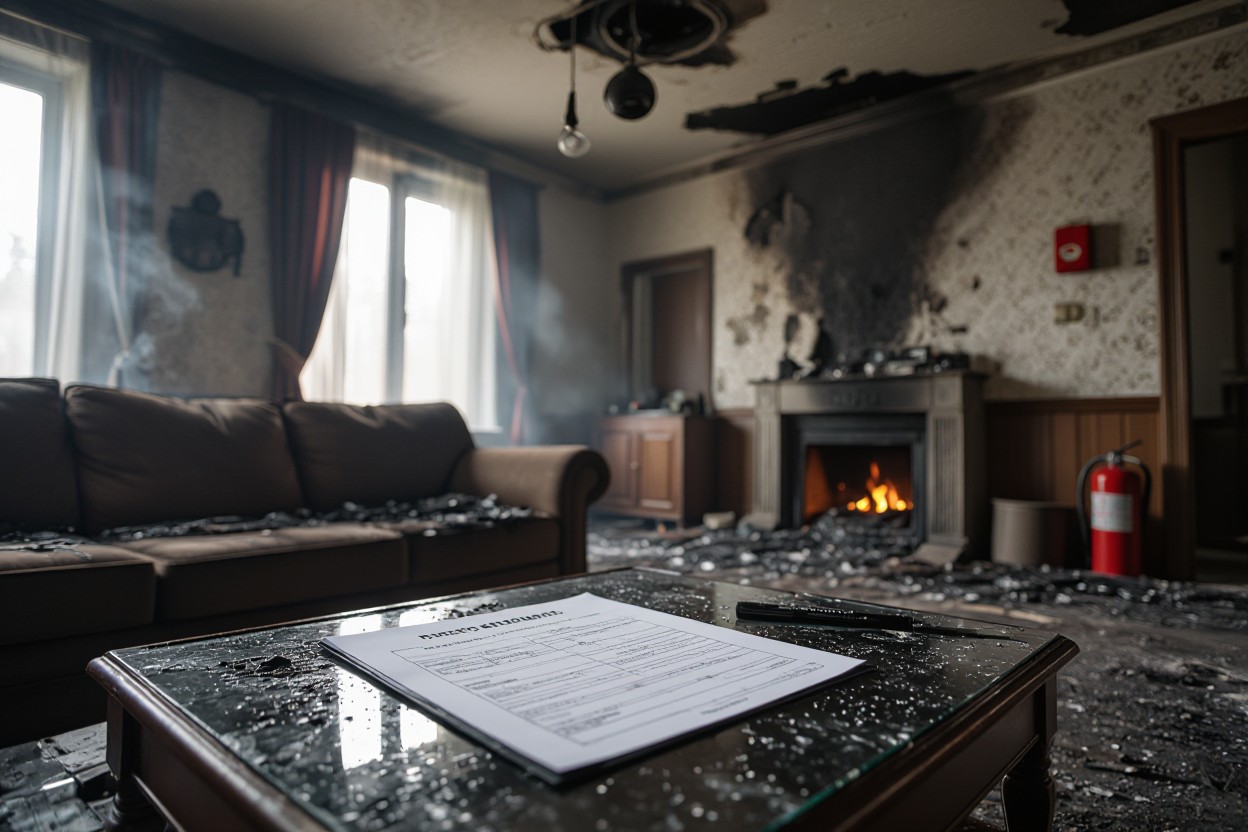
After a fire, every moment counts in protecting your claim and minimizing further loss. Reporting the fire to your insurer within the first few days ensures you meet policy requirements and avoids claim denial. Document all damage with detailed photos and videos before repairs begin. Acting quickly to board up windows or cover exposed areas helps prevent additional damage, which your insurer expects you to do. Keeping organized records of communications and expenses from the start lays the groundwork for a smoother claim process and better negotiation outcomes down the line.
Quick Actions That Save Time and Money
Notifying your insurance company promptly—typically within 48 to 72 hours—is the fastest way to kickstart your claim. If damages fall below your deductible, paying out of pocket usually avoids impacting your future premiums. Capture thorough visual evidence, from structural damage to hidden soot, and begin preventing further harm by securing your home against weather or trespassers. These steps reduce complications, ensure coverage clarity, and can speed up reimbursement for temporary housing and repairs.
Establishing Clear Communication with Insurers
Opening a direct line of communication with your insurer early on streamlines the adjustment process. Taking detailed notes during every conversation—from agent phone calls to adjuster visits—helps track deadlines and verify coverage details. Don’t hesitate to request written confirmation for deadlines or payment schedules, and ask for partial advance payments if urgent expenses arise before the full claim settles.
Consistent follow-up calls and emails keep your claim on the insurer’s radar, especially since state laws often require responses within 30 days. If delays occur, escalating to a supervisor or using your state’s insurance department can prompt quicker action. Preparing questions beforehand and submitting clear documentation reduces misunderstandings, allowing you to challenge undervalued estimates effectively. Establishing this communication foundation helps maintain control over the claims timeline and maximizes your chances for a fair settlement.
Allies in Recovery: Finding Advocates and Advisors
Navigating fire damage claims can feel overwhelming, but bringing professionals into your corner can make a meaningful difference. Public adjusters specialize in documenting losses and negotiating with insurers on your behalf, especially when claims grow complex. Legal experts step in when disputes escalate or payouts fall short, offering guidance that protects your rights and finances. Aligning with the right advocates early can streamline the process, helping you secure the compensation you deserve without burnout.
The Role of Public Adjusters: Friend or Foe?
Public adjusters work exclusively for you, not the insurance company, helping to identify overlooked damages and maximize your claim value. For example, a single mother in Texas increased her settlement by 30% using a public adjuster after her initial insurer’s offer barely covered repairs. Their fee typically ranges from 10% to 15% of your final payout, so weighing potential benefits against costs is key. In many cases, their expertise pays off, but be wary of unlicensed or unscrupulous adjusters promising unrealistic results.
Legal Professionals: When to Seek Expert Help
If your insurer outright denies your claim or offers a significantly reduced settlement, consulting an attorney skilled in insurance law becomes a strong move. Lawsuits aren’t always necessary, but a letter from a lawyer highlighting policy breaches can push insurers toward fairer negotiations. Cases involving ambiguous policy language, bad faith tactics, or complex coverage disputes especially benefit from legal insight.
More detailed legal intervention often proves necessary when insurers delay payouts past state-mandated deadlines or deny claims citing vague, non-coverage reasons. For instance, in California, laws require insurers to respond within 30 days; failure to do so opens paths for legal penalties. Attorneys also assist in untangling exclusions linked to endorsements or negotiating lump-sum settlements when replacement cost and actual cash value valuations clash. Consulting legal counsel early can help preserve your right to appeal or escalate without losing valuable time or leverage.
Avoiding Pitfalls: Insider Tips for a Smooth Claim Process
Having dealt with fire damage claims firsthand, I’ve seen how small missteps can lead to delays or reduced settlements. Reporting your fire promptly, ideally within a few days, sets the stage for success. Carefully evaluate repair costs against your deductible to decide if filing makes sense. Detailed documentation—photos, inventories, receipts—is non-negotiable. Protect your property from further damage by boarding up or covering openings. Stay on top of deadlines and track any extra living expenses. After each step, review your insurer’s responses and don’t hesitate to escalate if things stall or offers feel too low.
Common Traps Homeowners Fall Into
One frequent mistake I notice is waiting too long to notify the insurer, which can risk claim denial. Homeowners often overlook the impact of deductibles, submitting claims for minor damage that might be cheaper to pay out of pocket but could raise future premiums. Many don’t fully document smoke or soot damage, missing hidden losses. Failing to mitigate further damage—like leaving broken windows open—also weakens claims. Lastly, accepting the first settlement offer without negotiation leaves money on the table.
Pro Tips: Maximizing Your Claim’s Success
Successful claim navigation depends on preparation and persistence. I recommend requesting advance partial payments to cover urgent repairs or temporary housing costs. Stay aware of coverage exclusions—flood or sewer backup often aren’t included unless you add endorsements. Know if you have replacement-cost coverage or just actual cash value so you can justify your settlement expectations. Treat negotiations like a business deal armed with estimates and evidence. This approach can significantly improve payout results.
- Request advance partial payments early to secure funds for crucial needs.
- Review your policy carefully for any coverage gaps or exclusions.
- Gather multiple repair estimates and comparable quotes before negotiating.
- Document all communication and keep a detailed timeline of your claim process.
- This strategic preparation builds leverage and prevents costly surprises.
Diving deeper into maximizing your claim’s success, I advise maintaining an organized file with before-and-after photos capturing every angle and type of damage, including smoke discoloration often missed during initial inspections. Secure all receipts for hotel stays, meals, and storage because these add up and are reimbursable only above your normal living costs. Don’t hesitate to hire a public adjuster if your claim is complex—they bring expertise and often negotiate higher settlements. When negotiations stall or offers fall short, filing a complaint with your state insurance department can trigger action. This comprehensive approach helps convert a stressful ordeal into a manageable process.
- Keep a day-by-day journal recording phone calls, visits, and notes.
- Develop a thorough inventory of personal property losses with purchase details.
- Obtain third-party repair or replacement quotes to challenge low estimates.
- Leverage public adjusters or legal help for large or disputed claims.
- This layered documentation and advocacy maximize your chance of a fair outcome.
To wrap up
Drawing together all the fire damage insurance tips, I encourage you to act quickly, keep detailed records, and understand your policy limits to protect your interests. By staying proactive, communicating clearly with your insurer, and knowing when to seek professional help, you can navigate the claims process with confidence. Your preparedness can make a significant difference in recovering from fire damage efficiently and fairly.
FAQ
Q: How soon should I report a fire to my insurance company?
A: You should notify your insurer as soon as possible, typically within a few days of the fire. Delays in reporting can lead to denial of your claim or a reduced payout. Prompt communication helps start the claims process and allows the insurer to provide guidance on next steps.
Q: What types of damages does homeowners insurance usually cover after a fire?
A: Most homeowners insurance policies cover fire and smoke damage to the structure of your home, personal belongings, and additional living expenses if you need to stay elsewhere temporarily. However, specific coverage can vary, so reviewing your policy limits and any endorsements is important to understand what is included.
Q: How can I maximize my insurance payout after fire damage?
A: To maximize your payout, document all damage thoroughly with photos, videos, and detailed inventories. Keep records of communications and receipts for repairs or extra living expenses. Review the adjuster’s estimate carefully and don’t hesitate to negotiate if the initial offer is low. For complex claims, consider hiring a public adjuster or attorney to assist with documentation and negotiations.