

What is Mold Damage?
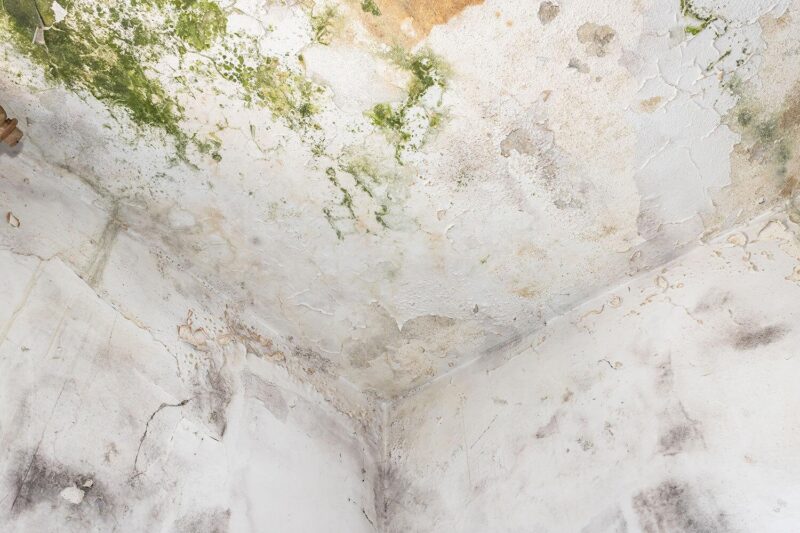
Mold damage occurs when excess moisture or water intrusion creates the perfect environment for mold growth in your home or business. It often results from plumbing leaks, roof damage, flooding, or high indoor humidity. Beyond damaging walls, flooring, insulation, and HVAC systems, mold can also cause serious health issues such as respiratory problems, allergies, and skin irritation. If left untreated, mold can spread quickly and lead to costly repairs and decreased property value.
How Mold Damage Affects Insurance Claims
Mold insurance claims can be tricky. Insurance companies often try to deny mold-related claims by categorizing them under policy exclusions or citing improper maintenance. However, if the mold stems from a covered peril—like a burst pipe or storm-related water damage—you may be entitled to full or partial coverage. Having an experienced public adjuster on your side can make all the difference when navigating mold insurance claims.
Our Process for Handling Mold Insurance Claims
Capital Adjusting Services helps policyholders take control of their claims process. Here’s how we work:
- Inspection & Documentation: We thoroughly assess your mold damage and document the scope of the loss.
- Policy Review: Our team reviews your insurance policy to determine coverage eligibility.
- Claim Filing: We prepare and submit a detailed mold insurance claim on your behalf.
- Negotiation: Our licensed public adjusters negotiate directly with your insurance company to get the best settlement possible.
- Claim Resolution: We stay with you through every step until your claim is resolved and payment is received.
What Can Be Covered in a Mold Insurance Claim?
Depending on the source of the damage and your policy coverage, your mold insurance claim could include:
- Drywall removal and replacement
- Flooring repairs
- HVAC system cleaning
- Dehumidification and mold remediation services
- Replacement of contaminated insulation and cabinetry
- Temporary relocation expenses (if property becomes uninhabitable)
Our team works to make sure nothing is left out of your claim, ensuring you get the compensation you deserve.
Why Choose Capital Adjusting Services?
With years of experience handling mold insurance claims, our public adjusters are committed to protecting your interests—not the insurance company’s. We’re known for:
- Fast response and expert support
- Licensed professionals with deep knowledge of mold claim handling
- Transparent communication throughout the process
- Proven success maximizing insurance payouts
We advocate for YOU and work to take the stress out of filing your mold insurance claim.
The 24 to 48 Hour Window Between a Water Loss and Mold Growth
Visible mold can take hold within 24 to 48 hours after water sits inside a wall, subfloor, or ceiling cavity. That means almost every mold claim we handle traces back to another loss: a slow or sudden plumbing damage event, a roof leak that went unnoticed, or an appliance that failed while no one was home. The faster that original loss gets documented, the stronger the mold portion of the claim.
What Your Policy Pays For, and Where Insurers Draw the Line
Mold that grows out of a sudden, covered event, such as a burst pipe or storm-driven leak, is generally covered, though many policies carry a separate mold sub-limit that pays out less than the main dwelling coverage. Mold tied to a leak that ran for weeks or months, or to humidity and poor ventilation, is the kind insurers point to as wear and tear or a maintenance issue, and that is where claims get denied.
The line between those two categories is rarely obvious from the outside, which is why the cause of the original water loss, not just the mold itself, is what we document first.
Documentation and Testing That Back Up a Mold Claim
A mold claim stands on more than photos of visible growth. Moisture readings on the affected framing and subfloor, air quality or spore sampling from a certified hygienist, and a timeline connecting the mold back to the original water event all give the claim something an adjuster cannot dismiss as pre-existing or unrelated.
We pull that evidence together before we send a demand to the insurance company, so the claim is backed by lab results and inspection notes, not just an estimate.
Frequently Asked Questions (FAQs)
Can I file a mold insurance claim after remediation? Yes, but it’s best to file your claim before starting major remediation to ensure proper documentation and reimbursement.
How much does it cost to fix mold damage? Costs vary depending on the extent of the damage and remediation needs. Insurance may cover most or all of it if your claim is successful.
What if my claim was denied? We can help re-open denied mold insurance claims and negotiate for a fair outcome.
The insurer says my mold is a pre-existing problem, not part of this claim. What can I do? Pull together the timeline and documentation from the original water event and ask for a reinspection. A public adjuster can present that evidence directly to the insurer instead of leaving the claim on their word alone.
Is a commercial property mold claim handled differently than a homeowner’s claim? Yes. Commercial policies often carry separate mold riders and business interruption coverage if the space can’t be used, and insurers expect more detailed documentation before they pay out. We handle both residential and commercial mold claims.
Can I stay in my home while the mold claim is being investigated? It depends on what the air quality testing shows and which rooms are affected. If the space becomes unsafe or needs to be opened up for repairs, temporary relocation costs may be part of the claim.