
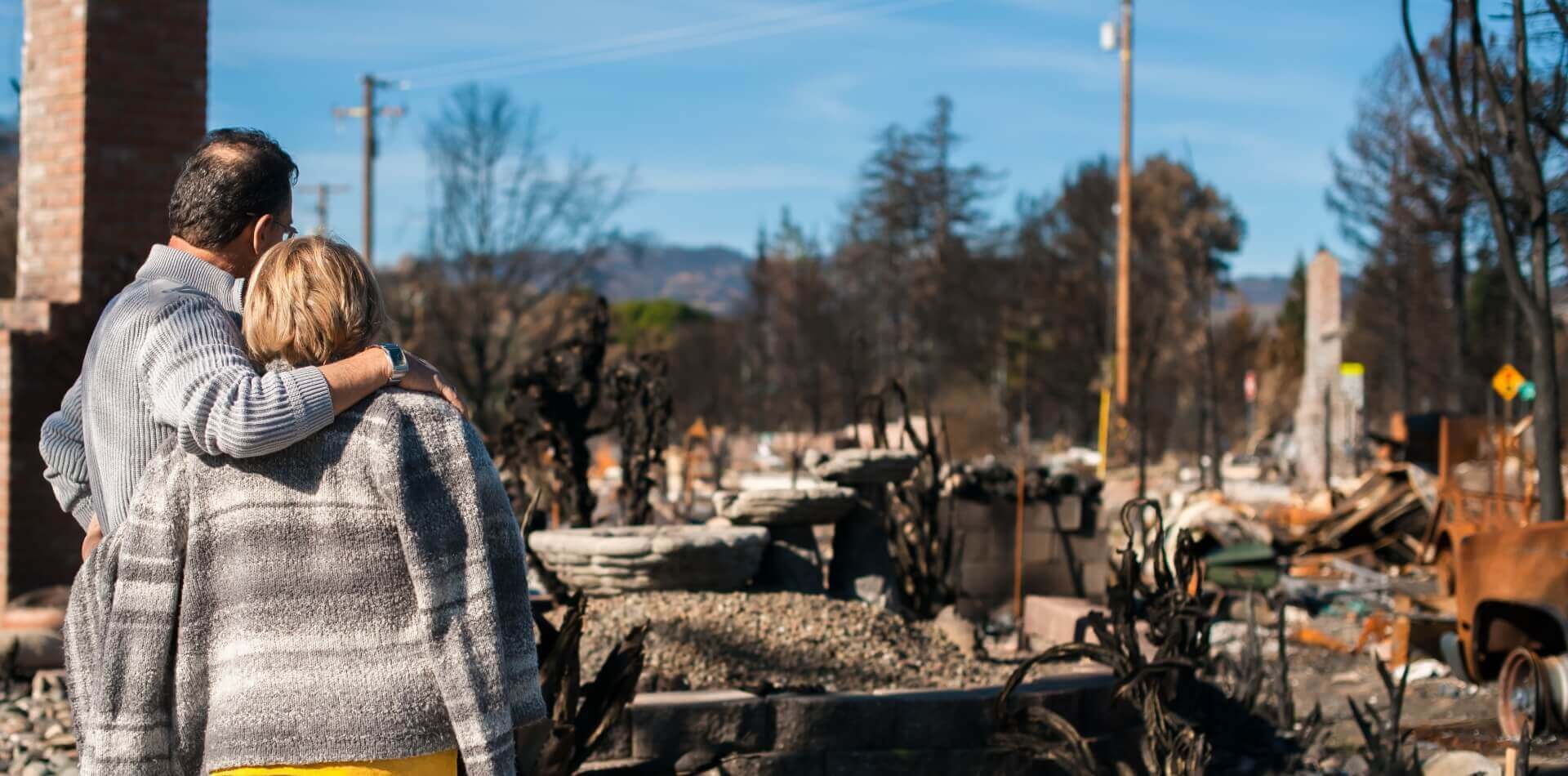
Hidden roof damage after summer storms can cost homeowners thousands if left unchecked. Wind and hail can lift shingles, loosen flashing, and create small tears in the underlayment that allow moisture to seep in. Over time, that trapped moisture leads to rot, mold, and structural issues. With roof-related insurance claims surpassing $30 billion in 2024 and smaller, localized storms driving more damage, quick inspections and prompt claims are more important than ever.
Why Late-Summer Storms Cause Hidden Damage
Late-summer storms across the Southeast often bring intense hail and wind. These don’t always cause visible destruction, but they can weaken your roof’s integrity. Even if your shingles look fine from the ground, they may have lifted edges, granule loss, or micro-tears that shorten their lifespan.
Common hidden issues include:
- Granules in gutters or on the ground
- Curling or cracked shingles
- Rusted or separated flashing
- Soft or sagging decking
- Attic moisture or mold
Because these problems worsen quickly, schedule an inspection within 24 to 48 hours after a storm. Early documentation helps prove the damage was storm-related and prevents insurers from denying coverage due to “preexisting wear.”

The Cost of Waiting Too Long
Delaying inspection or filing can be expensive. Once moisture gets under the shingles, it spreads fast—rot, ceiling stains, and insulation damage follow. Repairs that might have cost a few thousand dollars can balloon into full replacements exceeding $10,000.
Insurers also rely heavily on aerial imagery and analytics. If you wait weeks to file, they may claim the damage was old or due to neglect. Fast, thorough documentation—photos, videos, and a roofer’s report—strengthens your case and helps secure full coverage.
How Wind and Hail Damage Your Roof
- Wind uplift: Gusts over 50 mph can break the adhesive bond on shingles, leaving edges exposed.
- Hail impact: Even small hailstones can bruise shingles, dislodge granules, and fracture the fiberglass mat.
- Flashing failure: Bent or lifted flashing lets water track around chimneys and vents.
- Underlayment tears: Once the underlayment is compromised, water can reach the decking.
The result is often slow, invisible water intrusion that spreads through your attic and ceilings. Mold and soft decking are clear signs of this process, and both can significantly increase your repair bill.
Why Quick Inspections Protect You
Prompt inspections—ideally within 24–48 hours—capture evidence insurers need to verify storm damage. Early assessments record fresh granule loss and impact marks that fade fast. Having a dated report and photos ready prevents adjusters from questioning the timing or cause of damage.
Even if you don’t see obvious leaks, call a licensed roofer or public adjuster right after the storm. They can identify damage you might miss and help file documentation that supports your claim.
The Role of Public Adjusters
Public adjusters work on your behalf, not the insurance company. They know how to spot hidden damage, prepare detailed estimates, and negotiate fair settlements. For homeowners across Georgia and the Carolinas, where late-summer storms are frequent, having an expert advocate can make the difference between partial coverage and a full replacement payout.
Capital Adjusting Services helps homeowners identify hidden issues, such as micro-tears, lifted flashing, and underlayment damage. Their team documents everything using photos, moisture readings, and inspection reports to make sure nothing is overlooked.

Signs You Might Have Hidden Roof Damage
Use this quick checklist after a storm:
- Granules in gutters or near downspouts
- Curling, cracked, or lifted shingles
- Sagging spots in the roof or attic
- Water stains or musty smells indoors
- Daylight visible through the decking
If you spot any of these warning signs, act immediately. Delaying even a few days can give moisture time to spread, increase repair costs, and complicate your claim.
Georgia and Carolina Homeowners: Act Before Winter
The Southeast experiences lingering storm activity through early fall, and cooler weather can make scheduling roof repairs more challenging. Taking action now helps prevent leaks and insulation damage that worsen during the winter months. Schedule an inspection today to ensure your roof is storm-ready and that your claim, if needed, is well-documented.
Conclusion
Hidden storm damage isn’t always apparent—but it’s costly when ignored. Quick inspections, detailed documentation, and professional advocacy can save you thousands and protect your home from long-term damage.
If a recent storm hit your property, don’t wait. Contact Capital Adjusting Services for a free inspection and claim review. Protect your home, your investment, and your peace of mind.